 TABELIA
AUTHENTIC RECIPE
Tarte aux Pralines RosesLyon Pink Praline Tart
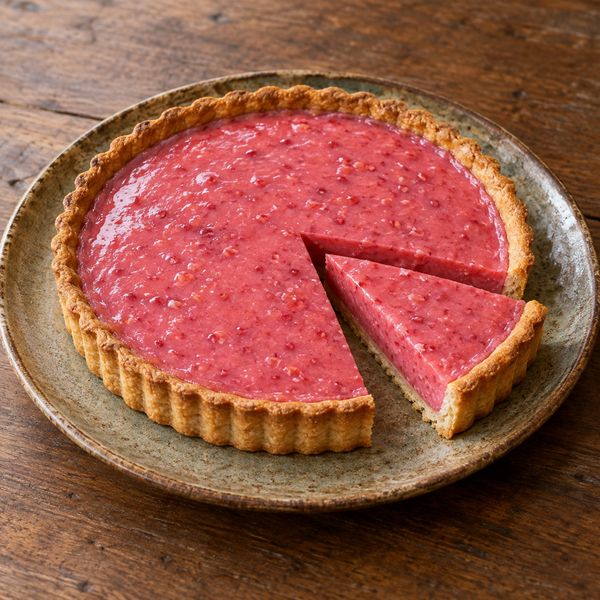
Lyon's vivid pink tart combines crushed pralines roses, almonds in rose-colored sugar, reduced with cream and poured into a shell. Starting with homemade pralines, the cream reduction determines gloss and firmness. It is a signature sweet coloring bakery displays and the city's bouchon eateries pink.
AUTHENTICITY SCORE
Authenticity Score
This is the standard recipe, exactly as it’s made where it comes from — the highest Authenticity Score possible. Substituting ingredients changes this score; the app shows exactly how, ingredient by ingredient.
Ingredients (4 servings)
- Unsalted butter (for pastry)Soften at room temperature.90 g
- Powdered sugar (for pastry)50 g
- Eggs (for pastry)To bind the pastry.1 piece
- Cake flour (for pastry)180 g
- Salt (for pastry)1 pinch
- Whole almonds (skin-on)For pink pralines.120 g
- Granulated sugar (for pralines)Forms the sugar coating around almonds.150 g
- Water (for pralines)To start the syrup.40 ml
- Red food coloringAbout 2 tiny ear-spoon measures. Gives pralines their rose color; available in baking supply shops or supermarket baking sections.a little
- Heavy cream (40%+ fat)Reduce with crushed pralines for the filling.200 ml
Method
Make sweet pastry
- 1 Cream 90 g softened butter and 50 g icing sugar in a bowl.
- 2 Add 1 pastry egg and mix well.
- 3 Sift in 180 g flour and 1 pinch salt and cut together with a spatula until no dry flour remains; continue once combined.
Rest the pastry
- 1 Flatten into a disc, wrap and refrigerate for 30 minutes.
Make pink pralines
- 1 MeanwhileMake the pink pralines while the dough rests.
- 2 Dry-toast 120 g almonds over medium heat until fragrant and remove.
- 3 In the same pan heat 150 g praline sugar, 40 ml water and 2 tiny ear-spoon measures red coloring over medium heat until large bubbles form and it thickens.
- 4 Return almonds and stir constantly with a wooden spoon. Once sugar crystallizes white and partly melts again, coating almonds in deep rose, turn off.
Cool pralines and preheat
- 1 Spread pralines without overlapping on parchment and cool completely.
- 2 Begin preheating the oven to 180°C.
Line the tart tin
- 1 Roll on a floured surface to a circle about 24 cm across and 3 mm thick; line the tin.
- 2 Prick the base with a fork and trim excess edges.
Blind-bake the shell
- 1 Bake empty at 180°C for 20–25 minutes until evenly golden.
- 2 Cool in the tin.
Make praline cream
- 1 Put cooled pralines in a sturdy bag and coarsely crush with a rolling pin.
- 2 Heat crushed pralines and 200 ml cream over medium heat, stirring constantly, and reduce for 8–10 minutes.
Caution
Too little reduction will not set on chilling; too much becomes hard candy. Stop when a spoon's trail briefly remains.
Fill the shell
- 1 Pour hot filling into the blind-baked shell and level the surface.
Chill until set
- 1 Cool at room temperature, then refrigerate for 2 hours.
- 2 It is ready when firm enough to slice.
About this dish
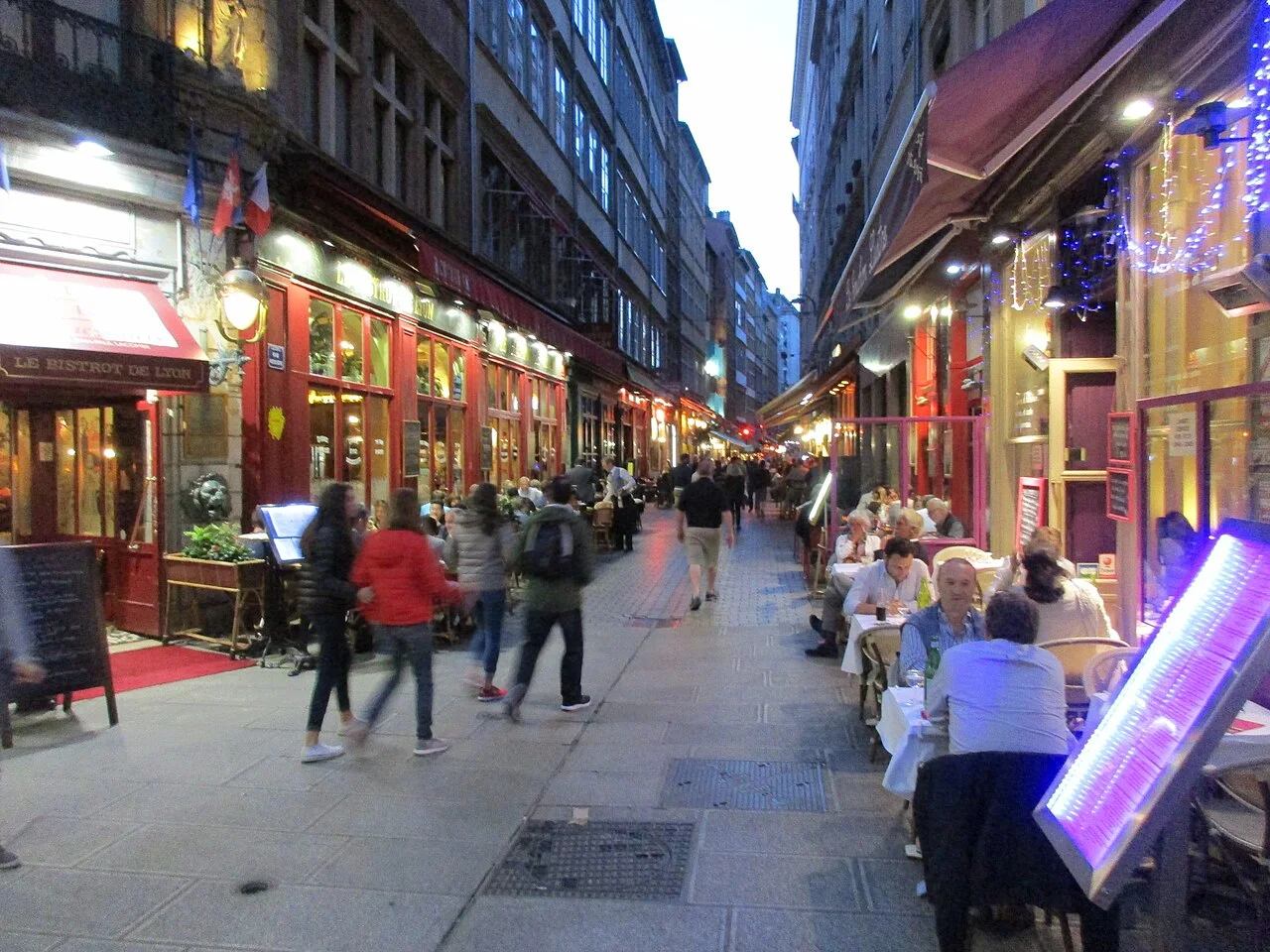
Walking through Lyon, you notice bright rose-colored pastries in bakery and pâtisserie windows. Pralines roses, almonds in a pink sugar coating, symbolize the city's pastry culture.
Pralines are said to have been devised by the Duke of Praslin's cook in the 17th century, but coloring them pink and baking them into brioche and tarts developed independently in Lyon and its surroundings. Alongside praline brioche from nearby Saint-Genix, this tart of crushed pralines reduced with cream became a Lyon staple.
Traditional Lyon eateries called bouchons serve it after hearty regional meals. It is now also a familiar souvenir for visitors, a sweet that has become part of the cityscape.
Bring the full course home next weekend.
Bring every dish to the table at its best.
Choose the dishes you want to cook, and Chef Authen handles the shopping list and the day-of schedule. The Tabelia app turns everything from starter to main into one coordinated course in your kitchen.
- One shopping listBuilt automatically from your menu and any substitutions, ready to check off.
- One timelineEvery dish’s waiting and cooking time combined into a single schedule.
- Answers beyond the recipeFrom judging the heat to adapting on the fly, Chef Authen answers with concrete criteria, not guesses.