 TABELIA
AUTHENTIC RECIPE
Tarte au Sucre du NordNorthern French Sugar Tart
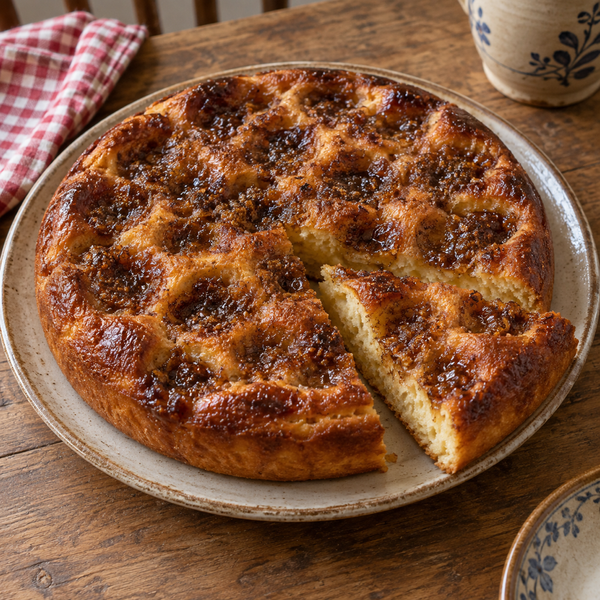
A brioche-dough sweet from Hauts-de-France in northern France, said to have originated as a way to use leftover bakery dough. Finger-made hollows are filled with vergeoise beet sugar and crème fraîche, then baked to a caramelized surface. Judging the proofing of the yeast dough and the color of the topping determines the result. A staple made in homes and bakeries for Sunday breakfast or an afternoon goûter.
AUTHENTICITY SCORE
Authenticity Score
This is the standard recipe, exactly as it’s made where it comes from — the highest Authenticity Score possible. Substituting ingredients changes this score; the app shows exactly how, ingredient by ingredient.
Ingredients (4 servings)
- Bread flourFor the brioche dough.250 g
- Fresh baker’s yeastActivate in milk before using.10 g
- Whole milkFor activating the yeast and making the dough. Warm to about 35°C.80 ml
- Eggs2 whole
- Granulated sugar (for dough)25 g
- Granulated sugar (for yeast)5 g
- Salt4 g
- Unsalted butter (for dough)Soften to a spreadable consistency. Central to the richness of the brioche.60 g
- Brown vergeoise beet sugarTraditional northern French beet sugar with a coarse texture and deep flavor.100 g
- Thick crème fraîche80 g
- Unsalted butter (for topping)Cut into 1cm cubes and dot into the hollows in the dough.40 g
- Egg yolk (for glaze)Brush over the edge of the dough just before baking.1 whole
Method
Dissolve the yeast in milk
- 1 Warm 80ml milk to about 35°C and pour into a bowl.
- 2 Crumble in 10g fresh yeast and dissolve, then dissolve in 5g granulated sugar for activating the yeast.
Activate the yeast
- 1 Leave at room temperature for 10 minutes.
- 2 Small bubbles rising on the surface indicate that the yeast is active.
Mix and knead the dough
- 1 Mix 250g bread flour and 4g salt in a bowl.
- 2 Make a well in the center, add 2 eggs, 25g granulated sugar for the dough and the activated milk mixture, and mix until a dough forms.
- 3 Turn onto the worktop and knead for about 10 minutes until the surface is smooth.
Knead in the butter
- 1 Add 60g softened butter in 3 additions, kneading thoroughly after each.
Ready when
Continue when the dough no longer sticks to your hands and its surface becomes glossy.
Caution
Bring the butter to room temperature and soften before adding. Cold butter will not mix evenly into the dough.
Let the dough rise
- 1 Shape into a ball, return to the bowl, cover with plastic wrap and leave in a warm place, around 27–30°C.
Ready when
The first rise is complete when the dough grows to 2 times its original size after 1.5 hours.
Line the pan with dough
- 1 Lightly butter the inside of a 22cm tart pan, using additional butter.
- 2 Gently deflate the risen dough and press evenly over the bottom of the pan.
- 3 Make evenly spaced indentations all over the surface with your fingertips.
Proof the dough again
- 1 Cover the pan with a cloth and proof in a warm place for 40 minutes, until the dough has visibly expanded.
Make the vergeoise paste
- 1 MeanwhileWhile waiting for the second rise, start preheating the oven to 190°C.
- 2 Mix 100g vergeoise and 80g crème fraîche in a bowl to form a smooth paste.
- 3 Cut the 40g butter for the topping into 1cm cubes.
Add the topping
- 1 Brush the edge of the risen dough with 1 egg yolk.
- 2 Spoon the vergeoise paste into the indentations and spread it over the entire surface.
- 3 Distribute the diced butter evenly.
Bake the tart
- 1 Bake at 190°C for 20–25 minutes.
- 2 The tart is done when the dough is deep golden throughout and the topping bubbles and caramelizes.
Cool briefly and slice
- 1 Leave in the pan for about 5 minutes to settle, then slice and serve warm.
About this dish
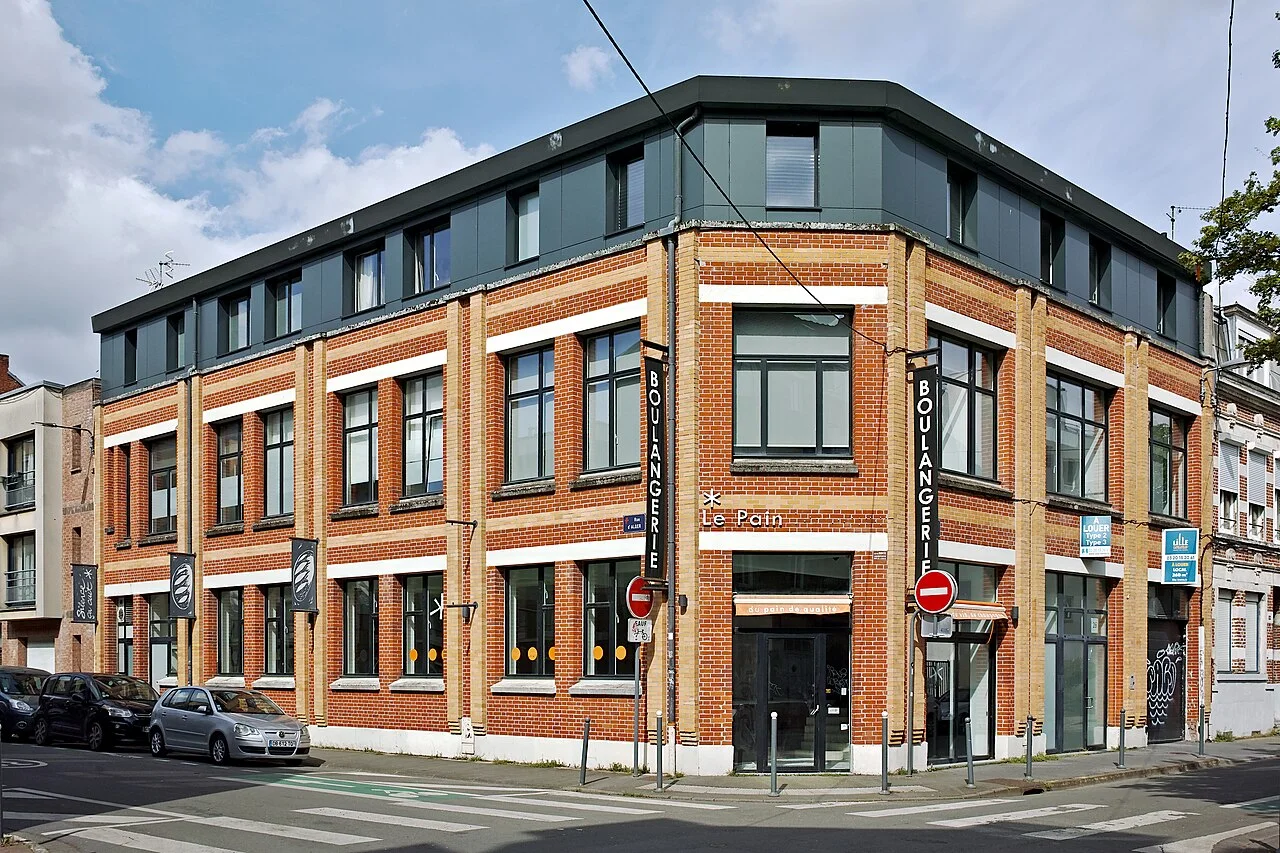
Hauts-de-France, bordering Belgium, once prospered through coal mining and the textile industry. In this region, bakery windows display tarte au sucre, a brioche-dough tart baked with sugar, throughout the year.
It is said to have begun as a way to avoid wasting dough left over after baking bread. The method of making hollows with the fingers and filling them with vergeoise beet sugar and crème fraîche transformed a humble leftover sweet into an emblem of the region.
It is traditionally eaten with coffee or hot chocolate at Sunday breakfast or an afternoon goûter. Recipes vary slightly from household to household, and local bakeries often treat it as a signature product.

Bring the full course home next weekend.
Bring every dish to the table at its best.
Choose the dishes you want to cook, and Chef Authen handles the shopping list and the day-of schedule. The Tabelia app turns everything from starter to main into one coordinated course in your kitchen.
- One shopping listBuilt automatically from your menu and any substitutions, ready to check off.
- One timelineEvery dish’s waiting and cooking time combined into a single schedule.
- Answers beyond the recipeFrom judging the heat to adapting on the fly, Chef Authen answers with concrete criteria, not guesses.