 TABELIA
AUTHENTIC RECIPE
SeadasSardinian Seadas
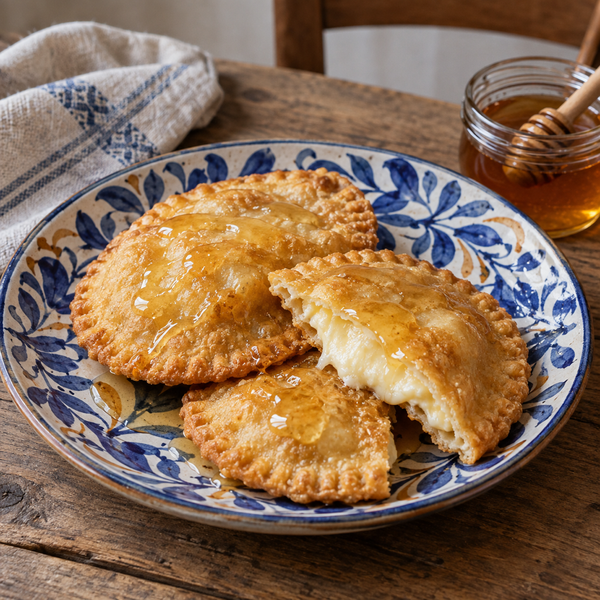
A fried pastry rooted in rural Sardinia. Fresh Pecorino enclosed in semolina dough is fried and topped with bitter corbezzolo honey, creating a finely balanced contrast of saltiness and sweetness.
AUTHENTICITY SCORE
Authenticity Score
This is the standard recipe, exactly as it’s made where it comes from — the highest Authenticity Score possible. Substituting ingredients changes this score; the app shows exactly how, ingredient by ingredient.
Ingredients (6 servings)
- Fine durum wheat semolina300 g
- Lard or unsalted butter50 g
- Warm water150 ml
- Salt3 g
- Fresh sheep's milk cheese (slightly aged)A slight acidity is authentic. Use fresh Pecorino, Caciòr, or young Fiore Sardo.400 g
- Grated lemon and orange peelUse Japanese-grown, unwaxed fruit. Grate only the colored zest, avoiding white pith.1 of each fruit
- Frying oil175–180°C1000 ml
- Corbezzolo honey (bitter arbutus honey)The more bitter, the more authentic. Multifloral honey may substitute if unavailable.200 g
Method
Make and rest the dough
- 1 Knead 300 g semolina, 50 g lard, 3 g salt and 150 ml warm water into a smooth dough for 10 minutes.
- 2 Wrap and rest for 30 minutes.
Ready when
Continue after 30 minutes when smooth and uniform.
Prepare the cheese
- 1 Grate or finely crumble 400 g fresh Pecorino.
- 2 Grate only the colored lemon and orange zest.
- 3 Mix the grated citrus zest into the cheese.
Ready when
Continue when evenly combined.
Roll and cut the dough
- 1 Roll the dough to 2–3 mm thick.
- 2 Cut into circles 10–12 cm across.
Ready when
Continue when the circles have an even thickness.
Enclose the cheese
- 1 Put cheese in a flat layer in the center of a circle.
- 2 Cover with another dough circle.
- 3 Press the edges firmly with a fork to seal without gaps.
Ready when
Continue when completely sealed.
Caution
Gaps let melted cheese escape during frying. Seal firmly.
Fry the seadas
- 1 Heat frying oil to 175–180°C.
- 2 Fry a few seadas at a time for 2–3 minutes on one side, then turn and fry another 2–3 minutes.
Ready when
They are ready when golden.
Caution
Do not overcrowd the oil.
Serve with honey
- 1 Drain on paper towels.
- 2 Plate while piping hot.
- 3 Drizzle generously with corbezzolo honey and serve.
Caution
The texture deteriorates on cooling. Serve piping hot.
About this dish
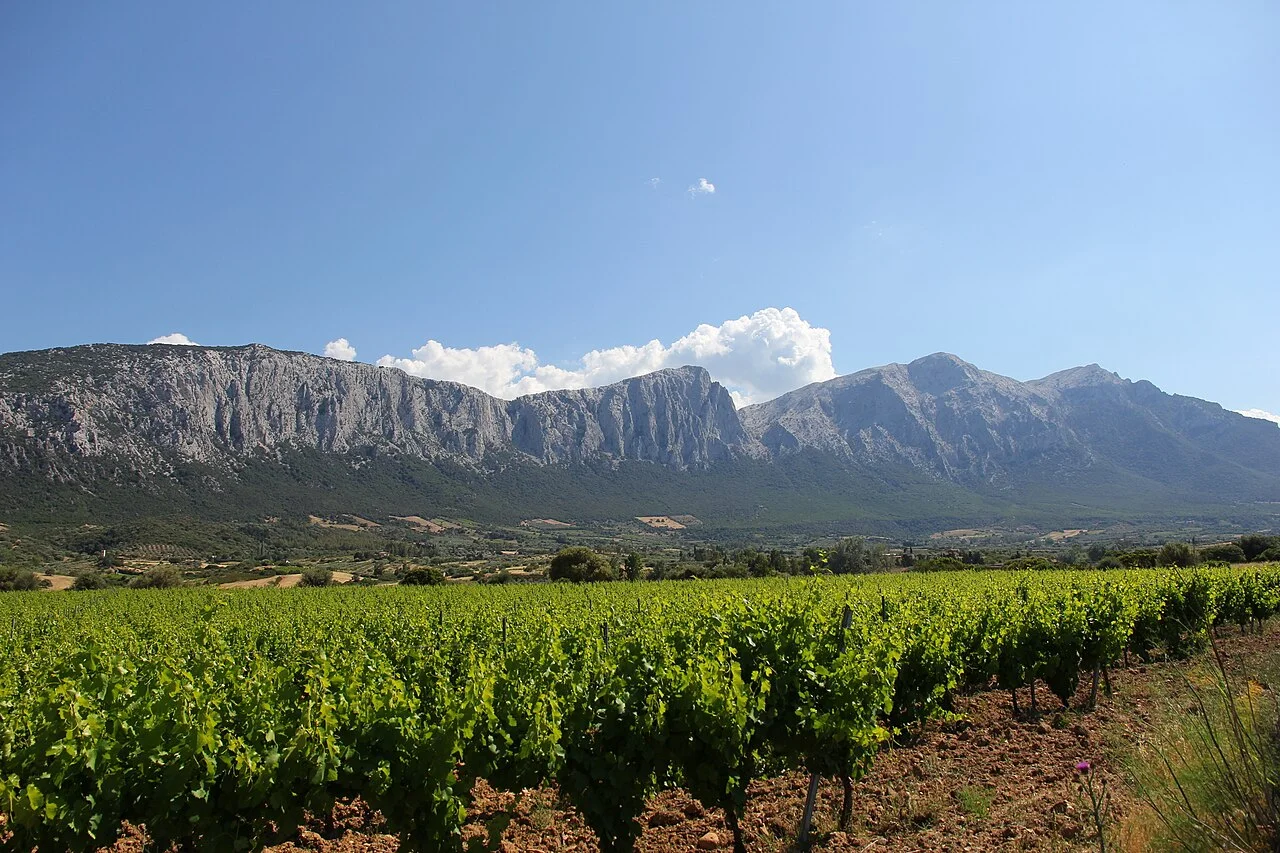
Born from shepherding culture in rural Barbagia, Sardinia, seadas were originally a meal rather than dessert. Cheese wrapped in wheat dough and fried was food shepherds could keep and make in the mountains; honey was added later.
Honey from corbezzolo, the strawberry tree, is a Sardinian specialty with strong bitterness and a distinctive finish. This bitterness meets the cheese's saltiness in a unique balance called amarodolce, sweet-bitter, rather than agrodolce, sweet-sour, unlike other Italian sweets.
The dish assumes it will be eaten freshly fried. As time passes, the dough hardens and the cheese cools and changes texture. Frying, plating and adding honey in rapid succession is the kitchen's basic requirement.

Bring the full course home next weekend.
Bring every dish to the table at its best.
Choose the dishes you want to cook, and Chef Authen handles the shopping list and the day-of schedule. The Tabelia app turns everything from starter to main into one coordinated course in your kitchen.
- One shopping listBuilt automatically from your menu and any substitutions, ready to check off.
- One timelineEvery dish’s waiting and cooking time combined into a single schedule.
- Answers beyond the recipeFrom judging the heat to adapting on the fly, Chef Authen answers with concrete criteria, not guesses.