 TABELIA
AUTHENTIC RECIPE
Rigatoni alla PajataRigatoni with Pajata
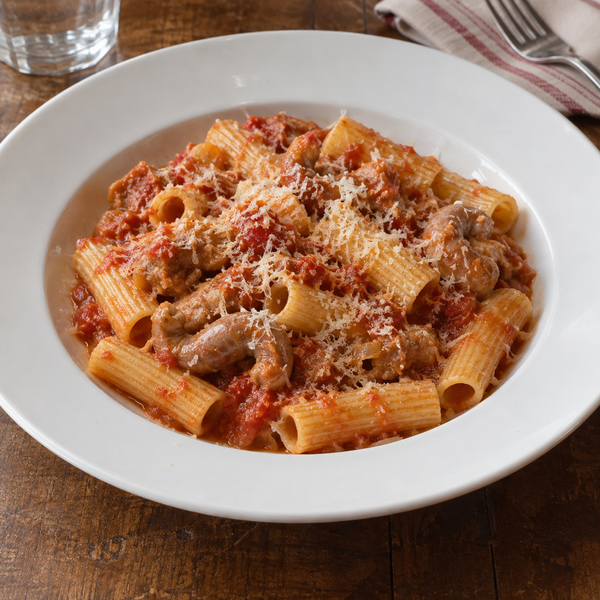
One of Rome’s most challenging traditional dishes. Pajata is the small intestine of a milk-fed calf, used with its coagulated milk contents intact. Foie-gras-like richness and milky sweetness merge with tomato sauce, expressing the essence of Roman offal cooking. A dish reached by those who know authentic Roman cuisine.
AUTHENTICITY SCORE
Authenticity Score
This is the standard recipe, exactly as it’s made where it comes from — the highest Authenticity Score possible. Substituting ingredients changes this score; the app shows exactly how, ingredient by ingredient.
Ingredients (4 servings)
- Rigatoni320 g
- Pajata (veal intestine with milk content)Obtain from a specialist. Wash and tie into rings.500 g
- Canned peeled tomatoes400 g
- OnionFinely chopped.1 piece
- Dry white wine100 ml
- Pecorino Romano60 g
- Extra virgin olive oilFor sautéing (3 tablespoons).45 ml
Method
Prepare the pajata
- 1 Thoroughly wash 500 g pajata under running water.
- 2 Cut into 10 cm lengths and tie both ends to form rings.
- 3 Finely chop the onion.
Ready when
The pajata is tied into rings and the onion chopped.
Caution
Tie both ends firmly: losing the contents ruins the dish.
Sauté onion and pajata
- 1 Put 3 tablespoons olive oil in a frying pan and sauté the onion over medium heat for 8 minutes.
- 2 When translucent, add the pajata and brown the surface over medium heat for 2–3 minutes.
Ready when
The onion is translucent and the pajata surface browned.
Add the wine
- 1 Add 100 ml white wine and evaporate the alcohol over high heat for 2–3 minutes.
Ready when
The alcoholic aroma has dissipated.
Add tomatoes and simmer
- 1 MeanwhileStart boiling a large pot of water (10 g salt per 1 L water).
- 2 Cover and simmer over low heat for 50–60 minutes.
- 3 Add 400 g tomatoes, crushing them by hand.
Ready when
It has simmered until the contents melt out creamily.
Caution
Simmer covered over low heat. High heat makes the contents escape.
Cook pasta and combine
- 1 Cook 320 g rigatoni al dente in the prepared boiling salted water.
- 2 Toss with the sauce and plate.
- 3 Top generously with 60 g Pecorino.
Ready when
Ready when sauce coats all the pasta and the Pecorino melts and blends in the residual heat.
About this dish
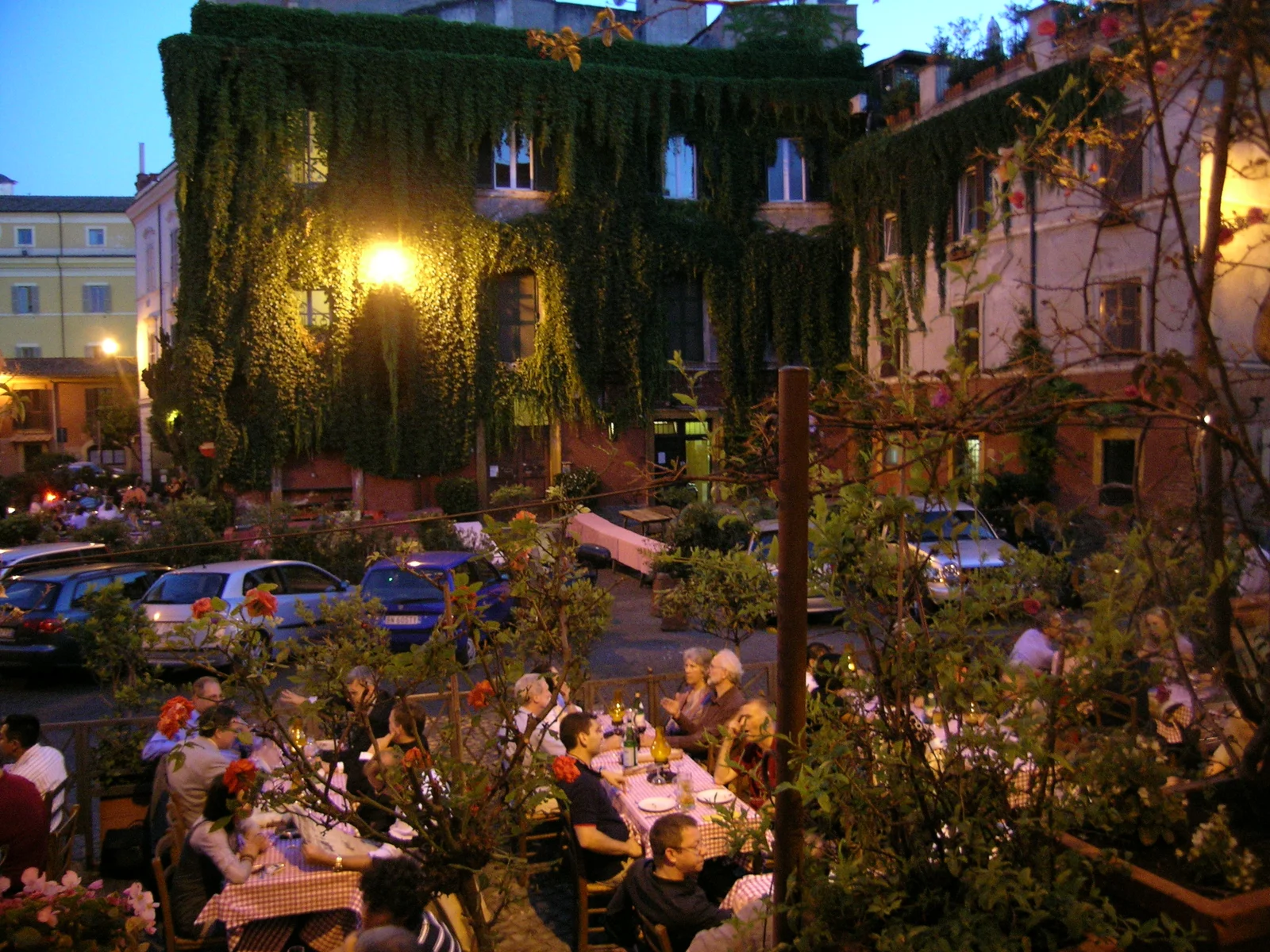
Pajata is the small intestine of a calf still feeding on its mother’s milk. Cooking it with coagulated milk remaining inside causes the proteins to set and creates a distinctive creamy savor. Within Roman cucina povera—the offal culture called the fifth quarter, quinto quarto—pajata is among the most individual ingredients.
The BSE crisis of 2001 temporarily removed pajata from Rome. Import restrictions made the ingredient unavailable and it disappeared from trattoria menus. Restrictions eased in 2015, and after more than 10 years away, pajata returned to Roman tables. Older Roman cooks still describe their joy at that moment.
The combination of pajata and tomato sauce contrasts creamy offal with tomato acidity. The ridges of rigatoni catch this complex sauce.

Bring the full course home next weekend.
Bring every dish to the table at its best.
Choose the dishes you want to cook, and Chef Authen handles the shopping list and the day-of schedule. The Tabelia app turns everything from starter to main into one coordinated course in your kitchen.
- One shopping listBuilt automatically from your menu and any substitutions, ready to check off.
- One timelineEvery dish’s waiting and cooking time combined into a single schedule.
- Answers beyond the recipeFrom judging the heat to adapting on the fly, Chef Authen answers with concrete criteria, not guesses.