 TABELIA
AUTHENTIC RECIPE
Pâté de CampagneFrench Country Pâté
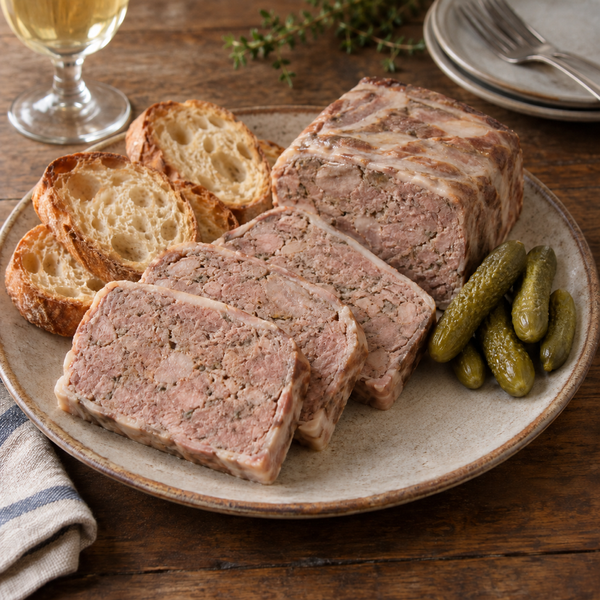
A classic country pâté found in charcuterie shops throughout France. Coarsely ground pork shoulder, pork belly and chicken liver are packed into a terrine and slowly baked in a water bath. An overnight rest in the refrigerator lets the flavours settle and the fat firm up for easier slicing. Bread and cornichons, small pickled cucumbers, are the customary accompaniments.
AUTHENTICITY SCORE
Authenticity Score
This is the standard recipe, exactly as it’s made where it comes from — the highest Authenticity Score possible. Substituting ingredients changes this score; the app shows exactly how, ingredient by ingredient.
Ingredients (4 servings)
- Coarsely ground pork shoulderUse a coarse grind. If unavailable, cut a whole piece into 1cm cubes and coarsely grind in a meat grinder.500 g
- Coarsely ground pork bellyThe fat keeps the pâté moist; use a coarse grind.300 g
- Chicken liversRemove sinews and white fat and coarsely crush with the back of a fork.200 g
- ShallotsFinely chopped.2 pieces
- GarlicFinely chopped.2 cloves
- EggBinds the meat mixture.1 piece
- CognacFor aroma; the alcohol is cooked off.30 ml
- Quatre-épices spice blendA standard charcuterie spice blend, available at imported-food shops.1 teaspoon
- Fresh thyme leavesStrip the leaves from the stems.2 teaspoons
- Salt2 teaspoons
- Black pepper1 teaspoon
- Thinly sliced pork belly for bardingLines the terrine and prevents drying during baking. Ask the butcher to slice it very thinly.200 g
- Bay leavesArrange on the surface in the mould.2 leaves
Method
Prepare the liver and aromatics
- 1 Start preheating the oven to 160°C.
- 2 Remove sinews and white fat from 200g chicken livers and coarsely crush with the back of a fork.
- 3 Finely chop 2 shallots and 2 garlic cloves.
- 4 Strip thyme leaves from their stems to obtain 2 teaspoons.
Mix and knead the pâté filling
- 1 Put 500g pork shoulder, 300g pork belly and 200g crushed chicken liver in a large bowl.
- 2 Add the shallots, garlic, 1 egg, 30ml Cognac, 1 teaspoon quatre-épices, 2 teaspoons thyme, 2 teaspoons salt and 1 teaspoon black pepper; knead well by hand until evenly combined.
Ready when
Proceed when sticky and cohesive.
Pack the terrine
- 1 Line a terrine of about 1L capacity with 200g thin pork belly slices, leaving them overhanging the sides.
- 2 Pack in the meat mixture, press the surface lightly, place 2 bay leaves on top and fold the overhanging pork over to cover it.
Bake the pâté in a water bath
- 1 Pour hot water about 2cm deep into a roasting tray, set the terrine in it and bake in a 160°C oven for 90 minutes.
- 2 Insert a skewer into the centre and wait 10 seconds; it is cooked when the withdrawn skewer is hot and clear fat emerges.
- 3 Top up with boiling water if the tray’s water level drops.
Ready when
A hot skewer and clear fat indicate doneness; cloudy meat juices mean the centre is not yet cooked.
Weight and chill overnight
- 1 Lift the mould from the tray and leave at room temperature for 30 minutes to lose its initial heat.
- 2 Place a board or foil-wrapped thick cardboard on top, add a weight of about 500g such as a tin and refrigerate for 24 hours.
- 3 This settles the juices evenly and gives a firm texture that slices easily.
Slice and serve
- 1 Remove the pâté from its mould, cut into 1.5cm slices and arrange on plates.
- 2 Serve with baguette and cornichons.
About this dish
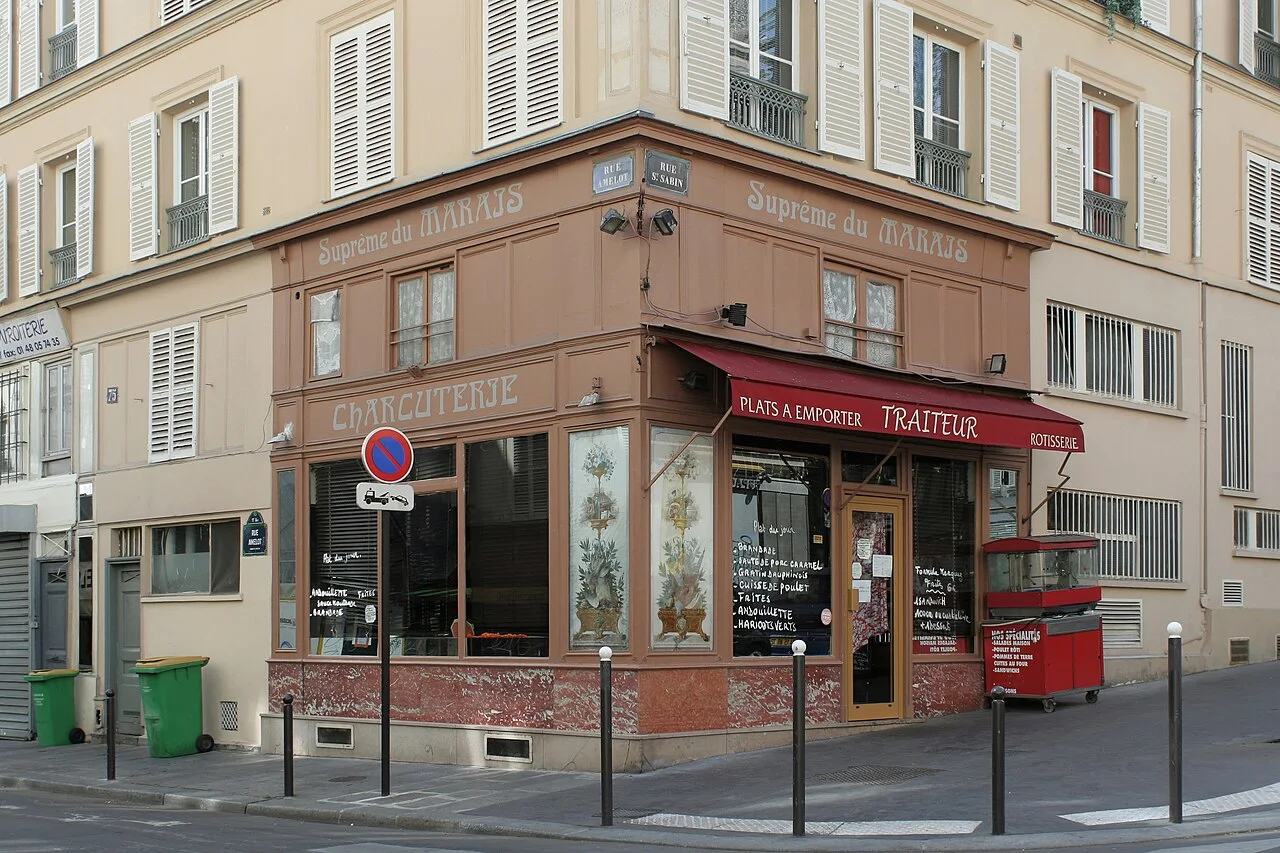
Walk through a French town and you are almost certain to see pâté de campagne in a charcuterie shop window. Rather than originating in one specific region, it developed independently across France from farmers’ knowledge of using every part of the pig, becoming a countrywide home dish.
It has been eaten as a lunch entrée or with baguette for a light supper, and valued for picnics and journeys. Its keeping qualities and convenience—slice and eat—suited lives filled with farm work and travel.
It remains a charcuterie staple, with some people making it at home and others buying it from specialists. The cultures of making and buying coexist, while the customary accompaniments of cornichons and baguette endure.

Bring the full course home next weekend.
Bring every dish to the table at its best.
Choose the dishes you want to cook, and Chef Authen handles the shopping list and the day-of schedule. The Tabelia app turns everything from starter to main into one coordinated course in your kitchen.
- One shopping listBuilt automatically from your menu and any substitutions, ready to check off.
- One timelineEvery dish’s waiting and cooking time combined into a single schedule.
- Answers beyond the recipeFrom judging the heat to adapting on the fly, Chef Authen answers with concrete criteria, not guesses.