 TABELIA
AUTHENTIC RECIPE
Maritozzi con la PannaMaritozzi with Whipped Cream
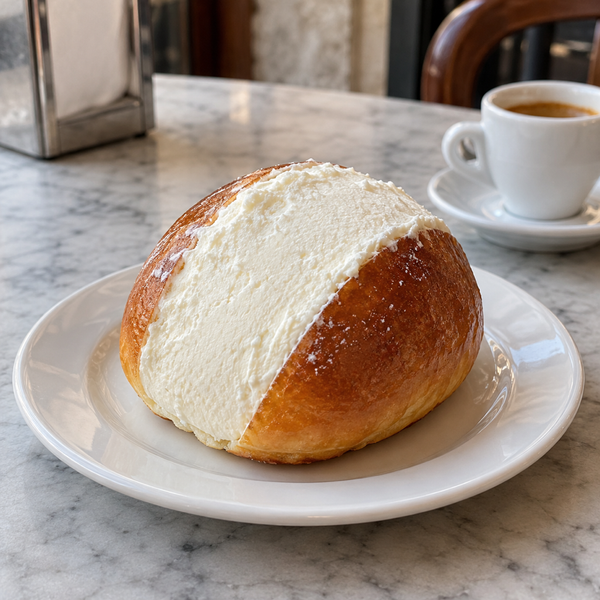
A Roman breakfast pastry of fluffy brioche filled generously with cream. Its name comes from marito, “husband,” recalling its former role as a gift to a fiancée. Sweet yeast buns fragrant with grated orange zest and honey surround mouthfuls of cream: a weekend indulgence of which Rome is proud.
AUTHENTICITY SCORE
Authenticity Score
This is the standard recipe, exactly as it’s made where it comes from — the highest Authenticity Score possible. Substituting ingredients changes this score; the app shows exactly how, ingredient by ingredient.
Ingredients (8 servings)
- Strong flour (Manitoba)Strong flour with at least 12% protein is recommended for a soft, springy dough.300 g
- Lukewarm whole milk35–38°C. Excessive heat kills the yeast.100 ml
- EggsBring to room temperature.2 eggs
- Unsalted butterSoften to a creamy consistency at room temperature.70 g
- Sugar70 g
- Fresh yeastIf using dry yeast, use 7g.15 g
- HoneyAdds sweetness and gloss to the dough.20 g
- Orange zestUse a Japanese-grown, unwaxed orange. Grate only the outer zest, avoiding the white pith.1 orange’s zest
- Salt5 g
- WaterFor the glaze syrup.30 ml
- Sugar for glazingFor the syrup brushed on after baking.20 g
- Cream (at least 35% fat)Keep refrigerated until just before use.300 ml
- Icing sugar for the cream20 g
Method
Activate the yeast and start the dough
- 1 Dissolve 15g fresh yeast in 100ml lukewarm milk, add 1 tsp sugar and leave for 5 minutes.
- 2 Grate only the outer orange zest.
- 3 Combine 300g strong flour and 70g sugar in a bowl.
- 4 Add the yeast mixture, 2 eggs, 20g honey and grated orange zest, and begin kneading.
Ready when
Bubbles on the yeast mixture indicate activation. Proceed when the dough comes together.
Caution
Milk that is too hot kills the yeast. Keep it at 35–38°C.
Add butter and knead
- 1 Add 70g room-temperature butter in 3–4 additions, kneading well after each.
- 2 Add 5g salt and knead for another 8–10 minutes.
Ready when
Proceed when a piece of dough stretches into a thin membrane.
Caution
Do not add all the butter at once. Add gradually while developing the gluten.
First rise
- 1 Place the dough in a bowl and cover with plastic wrap.
- 2 Let rise in a warm place at 28–30°C for about 90 minutes.
Ready when
After about 90 minutes, proceed when it reaches 2 times its original volume.
Divide and shape
- 1 Turn onto a floured surface and gently deflate.
- 2 Divide into 8 portions, about 80g per 1 piece, and round them, tightening the surface.
- 3 Shape into small, rounded buns, making them slightly oval if necessary.
- 4 Arrange spaced apart on a baking tray lined with parchment and cover with plastic wrap.
Ready when
Proceed when the surfaces are smooth and taut and the buns have uniform rounded shapes.
Second rise
- 1 (During this time) Preheat the oven to 190°C.
- 2 Let rise a second time for 45 minutes.
- 3 MeanwhileDuring the second rise, preheat the oven to 190°C.
Ready when
After about 45 minutes, proceed when the dough has expanded to around 1.5 times its size.
Bake and glaze
- 1 Put 30ml water and 20g sugar in a small saucepan over medium heat to make the glaze.
- 2 Bake at 190°C for 12–14 minutes.
- 3 Brush the glaze all over while the buns are hot.
- 4 Cool completely on a wire rack.
Ready when
They are baked when the surfaces are golden brown.
Whip the cream
- 1 Put 300ml cream and 20g icing sugar in a chilled bowl.
- 2 Whip with a hand mixer to medium peaks.
Ready when
Proceed when a spoonful holds its shape without flowing and only the tips of the peaks bend slightly.
Caution
Overwhipping encourages separation. Stop before the cream becomes grainy.
Slit and fill with cream
- 1 Cut a deep slit into the center of the top of each completely cooled maritozzo.
- 2 Generously pack the opening with whipped cream.
- 3 Use a palette knife to smooth the cream flat along the top of the bun.
- 4 Finish just before serving.
Ready when
The buns are ready when the openings are full and a broad white surface of cream is visible.
Caution
The dough absorbs moisture from the cream over time. Serve immediately after filling.
About this dish
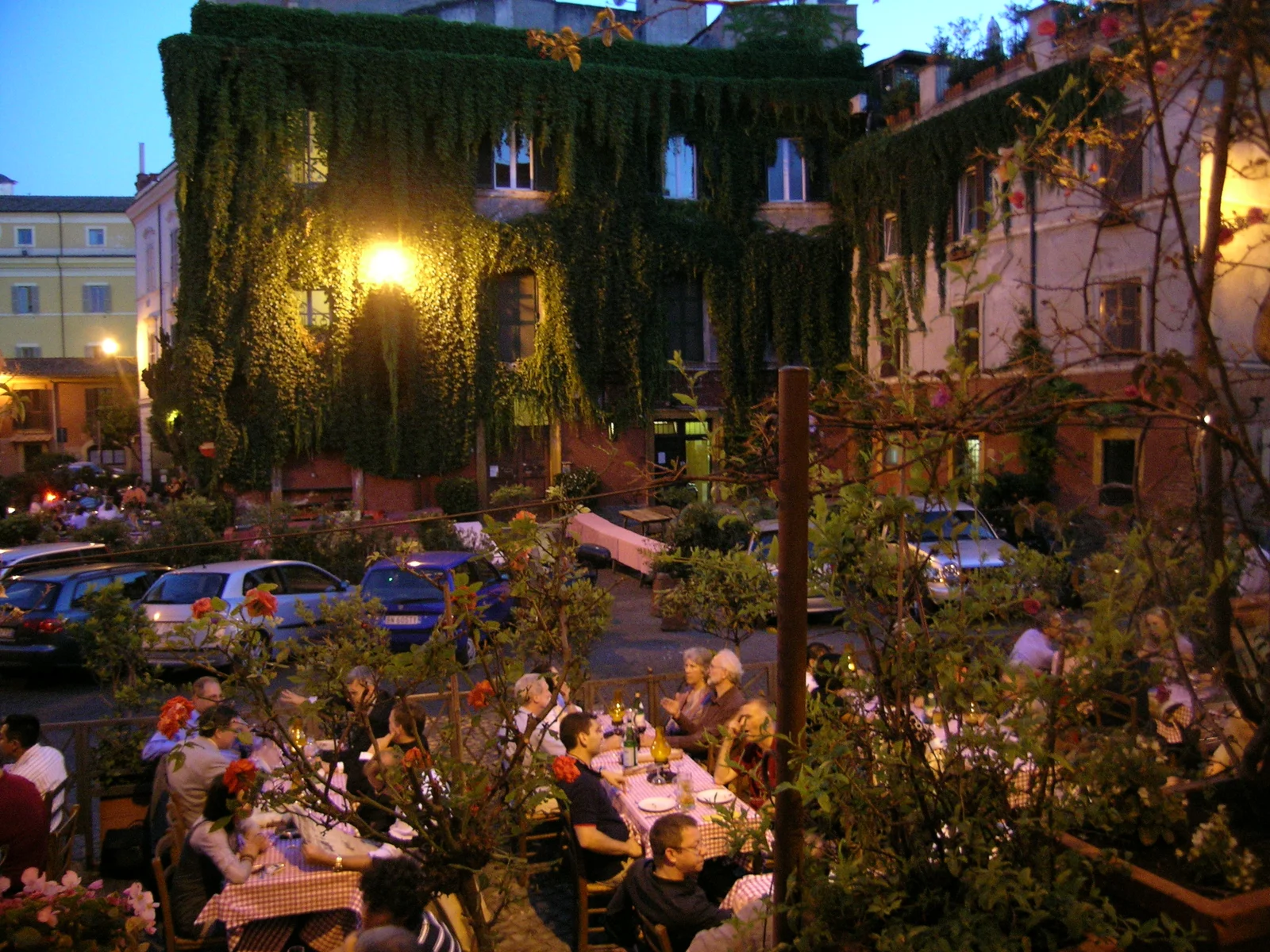
The name maritozzo derives from marito, meaning “husband.” Young Romans once offered these sweet yeast buns to their fiancées as tokens of courtship, sometimes hiding a gold ring or small gift inside. Finding the ring when she broke the bun conveyed the proposal of marriage. The ring has disappeared from the modern maritozzo, leaving generous cream in its place.
Rome long had a custom of eating maritozzi for Friday breakfast. Sweet bread was an exception even on fasting days during Lent, or Quaresima, and these small yeast buns comforted the city’s people during the fast. Market workers and early-rising craftspeople taking a maritozzo with coffee at a bar remain part of the Roman morning.
Essential to Rome’s breakfast culture, they have long been a staple of bar display cases. A worldwide craze arose in the early 2020s, bringing specialist shops to Japan too. Yet the original maritozzo is freshly baked bread filled with cream and eaten immediately. As time passes, the dough absorbs the cream’s moisture and loses its intended texture.

Bring the full course home next weekend.
Bring every dish to the table at its best.
Choose the dishes you want to cook, and Chef Authen handles the shopping list and the day-of schedule. The Tabelia app turns everything from starter to main into one coordinated course in your kitchen.
- One shopping listBuilt automatically from your menu and any substitutions, ready to check off.
- One timelineEvery dish’s waiting and cooking time combined into a single schedule.
- Answers beyond the recipeFrom judging the heat to adapting on the fly, Chef Authen answers with concrete criteria, not guesses.