 TABELIA
AUTHENTIC RECIPE
Gâteau NantaisNantes Almond and Rum Cake
- Total
- 3 hr 25 min
- Difficulty
- ★★☆☆☆
- Serves
- 6 servings
- Prep 40 min
- Cook 45 min
- Rest 2 hr
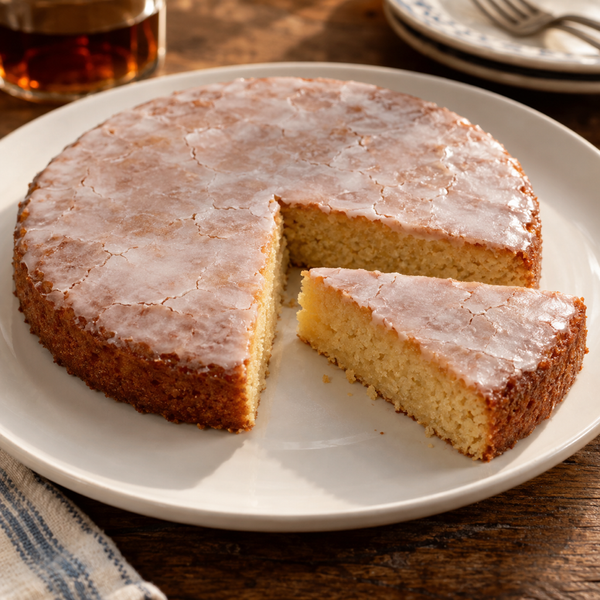
A round Nantes cake with almonds and dark rum in the batter, finished with a thin white icing of powdered sugar mixed with rum. The crumb is dense and moist, with slight cracks in the icing.
AUTHENTICITY SCORE
Authenticity Score
This is the standard recipe, exactly as it’s made where it comes from — the highest Authenticity Score possible. Substituting ingredients changes this score; the app shows exactly how, ingredient by ingredient.
Ingredients (6 servings)
100Authenticity- Demi-sel butter135 g125 g for the batter, softened at room temperature, and 10 g for the pan. Use demi-sel butter containing 2% salt.
- Granulated sugar150 g
- Blanched almond flour100 gMade from skinless almonds.
- Eggs3 eggsBring to room temperature.
- Plain cake flour40 gSift before use. Use plain soft-wheat cake flour without added starch or leavening.
- Dark agricole rum60 ml20 ml for the batter, 20 ml after baking and 20 ml for the icing. Use a dark aged agricole rum if available.
- Powdered sugar50 gFor the icing.
Method
Butter and line the pan; preheat to 175°C
- 1 Preheat the oven to 175°C.
- 2 Generously grease the inside of a 21cm round pan with 10g salted butter and line the base with a circle of baking parchment.
Ready when
Continue when the sides are evenly buttered and the parchment lies flat on the base.
Cream butter and sugar; add almonds, eggs, flour and rum
- 1 Beat 125g softened salted butter and 150g granulated sugar vigorously with a whisk in a bowl.
- 2 Mix in 100g almond flour, add 3 eggs 1 at a time and mix well until the sugar dissolves.
- 3 Sift in 40g cake flour and fold with a rubber spatula without overmixing, then mix in 20ml dark rum.
- 4 Pour into the pan and level the surface.
Ready when
Continue when the batter is smooth, no flour is visible and the surface is level.
Caution
Overmixing after adding flour makes the baked cake firm.
Bake at 175°C for 45 minutes
- 1 Bake at 175°C for 45 minutes.
Ready when
Continue when the surface is evenly golden, the center springs back when lightly pressed and the edges pull slightly from the pan.
Caution
Overbaking loses the moist interior.
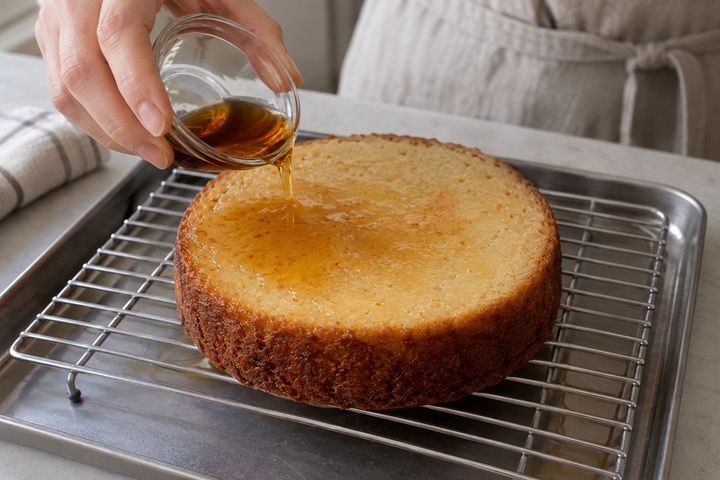
Unmold immediately and add rum while hot
- 1 As soon as baked, use oven mitts to turn the cake upside down onto a rack, remove the pan and peel off the base paper.
- 2 While hot, pour 20ml dark rum evenly over the surface now facing up.
Ready when
Continue when the flat base is uppermost and the rum has soaked in without pools on the surface.
Caution
The pan and cake are very hot; turn them away from your body.
Cool completely on the rack
- 1 Leave on the rack at room temperature for 1 hour 30 minutes.
Ready when
Continue when cool at the center and no longer warm to the touch.
Spread a thin rum icing
- 1 Gradually mix about 20ml dark rum into 50g powdered sugar to a flowing consistency.
- 2 Pour over the top and spread into a thin, level layer with an offset spatula.
Ready when
Continue when a thin, even white icing covers the top.
Dry the icing at room temperature for 30 minutes
- 1 Leave at room temperature for 30 minutes to dry the icing.
Ready when
The cake is ready when the icing is dry and does not stick to a finger.
Caution
The rum added after baking and in the icing is not heated, so alcohol remains. Do not serve to children or teenagers, pregnant or breastfeeding people, or anyone driving.
Tips
Wrapping and eating the next day lets the rum flavor blend into the cake.
About this dish
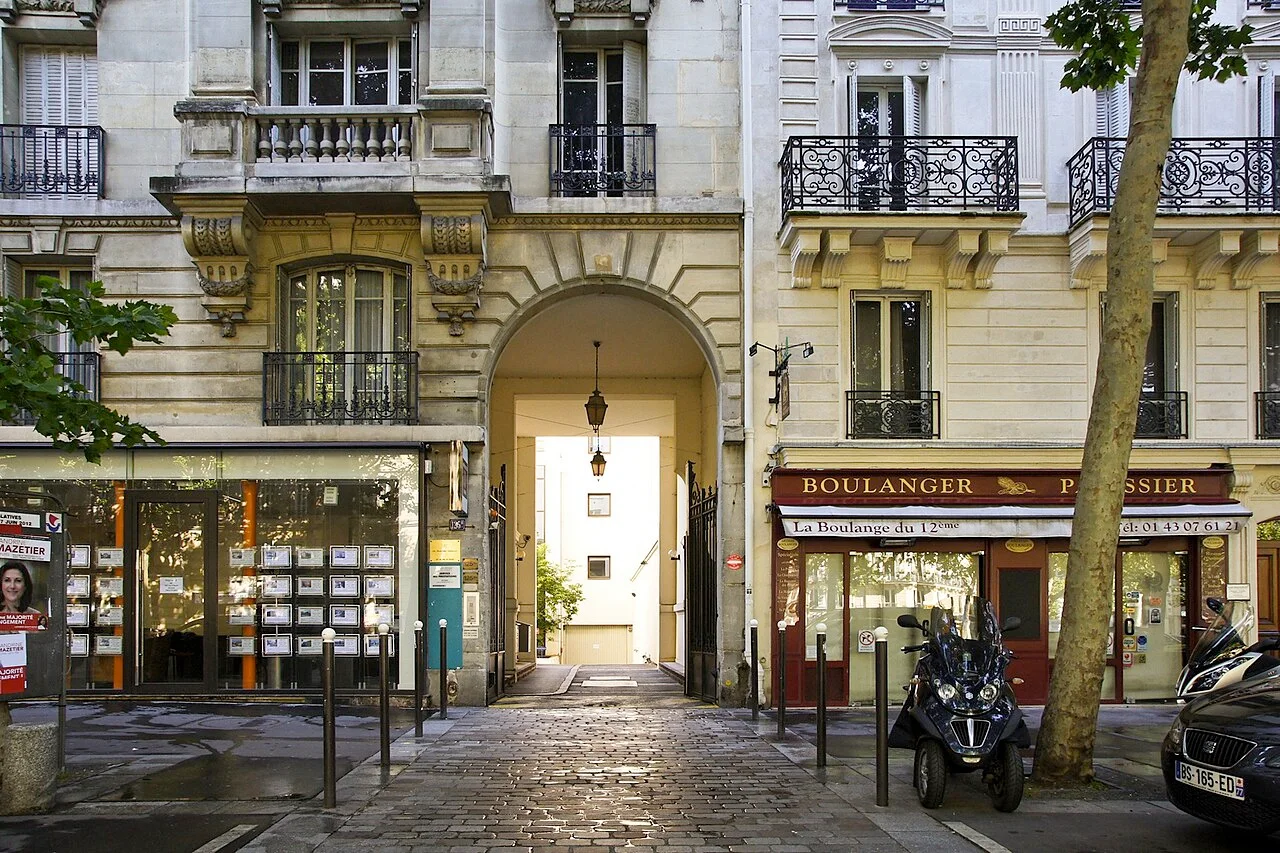
In Nantes, the cake is said to have been made around 1820 by Rouleau, a maker of the crown-shaped fouace in the Saint-Clément district.
Its sugar and rum came from the colonies in the Antilles. More than 40% of French slave-trading voyages in the 18th century departed from Nantes. Although the trade was prohibited in 1815, Nantes’s slave trade continued until 1831; the cake’s reported creation in 1820 falls within that period.
It is said to have been served in homes as a luxurious cake for guests. After a period of being forgotten, it was reportedly produced and popularized by the biscuit company LU in the 20th century. Locally, people say it tastes better the day after baking.

Bring the full course home next weekend.
Bring every dish to the table at its best.
Choose the dishes you want to cook, and Chef Authen handles the shopping list and the day-of schedule. The Tabelia app turns everything from starter to main into one coordinated course in your kitchen.
- One shopping listBuilt automatically from your menu and any substitutions, ready to check off.
- One timelineEvery dish’s waiting and cooking time combined into a single schedule.
- Answers beyond the recipeFrom judging the heat to adapting on the fly, Chef Authen answers with concrete criteria, not guesses.