 TABELIA
AUTHENTIC RECIPE
Gâteau Battu
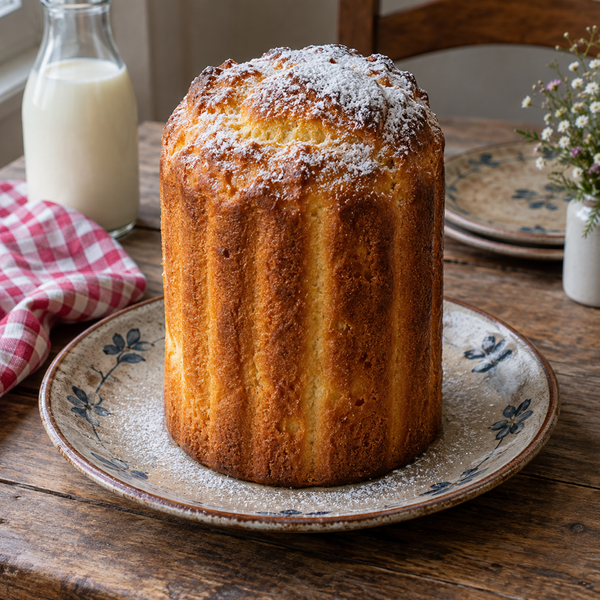
A traditional Picardy cake of rich yeasted dough with abundant egg yolks, baked in a tall dedicated mold. Battu, beaten, refers to the old method of beating the dough in a tub for a long time to incorporate air. Also known as an Easter gift from godparents to godchildren, its butter-and-yolk richness depends on judging fermentation well.
AUTHENTICITY SCORE
Authenticity Score
This is the standard recipe, exactly as it’s made where it comes from — the highest Authenticity Score possible. Substituting ingredients changes this score; the app shows exactly how, ingredient by ingredient.
Ingredients (4 servings)
- Bread flourFor the brioche dough.250 g
- Fresh baker’s yeastActivate in milk before using.10 g
- Whole milkFor yeast activation and the dough. Warm to about 35°C.60 ml
- Egg yolksDo not use the whites. Yolks alone create a rich yellow dough.6 pieces
- Granulated sugar for the dough30 g
- Granulated sugar for activating the yeast5 g
- Salt4 g
- Unsalted butter for the doughSoften to a creamy consistency. Central to the cake’s richness.130 g
- Unsalted butter for the moldSpread inside the mold.15 g
- Powdered sugar for finishingSift through a tea strainer after the cake has cooled.10 g
Method
Dissolve the yeast in milk
- 1 Warm 60 ml milk to about 35°C and put it in a bowl.
- 2 Crumble in 10 g fresh yeast and dissolve, then add and dissolve 5 g granulated sugar for yeast activation.
Activate the yeast
- 1 Leave at room temperature for 10 minutes.
- 2 Fine bubbles rising on the surface show that the yeast is active.
Mix and knead the dough
- 1 Mix 250 g bread flour and 4 g salt in a bowl.
- 2 Make a well and add 6 egg yolks, 30 g granulated sugar for the dough and the activated milk mixture, mixing until the dough comes together.
- 3 Turn onto the worktop and knead firmly for about 10 minutes, until smooth and elastic.
Knead in the butter
- 1 Add 130 g softened butter in 4–5 batches, kneading thoroughly after each.
- 2 Slapping the dough against the worktop is the traditional gâteau battu method.
Ready when
Continue when the dough is glossy and no longer sticks to your hands.
Caution
Bring the butter to room temperature and soften it first; cold butter does not blend evenly.
First rise
- 1 Shape the dough into a ball, return to the bowl, cover with plastic wrap and leave in a warm place, around 27–30°C.
Ready when
The first rise is complete after about 2 hours, once the dough is 2 times its original size.
Fill the mold
- 1 Use a tall cylindrical mold about 18 cm across.
- 2 A kugelhopf mold can substitute; brush its inside evenly with 15 g butter for the mold.
- 3 Gently deflate the risen dough, shape into a smooth ball and place in the mold.
Second rise
- 1 Cover the mold with a cloth and leave in a warm place for 1 hour, until the dough rises close to the rim.
Preheat the oven
- 1 MeanwhileWhile waiting for the second rise, start preheating the oven to 180°C.
- 2 Measure 10 g powdered sugar into a small container for dusting after baking.
Bake the gâteau battu
- 1 Bake at 180°C for 35–40 minutes.
- 2 It is ready when evenly deep golden and a bamboo skewer inserted in the center comes out without dough.
Unmold and cool
- 1 Leave in the mold for about 5 minutes to lose its initial heat, then unmold and cool completely on a rack.
Dust with sugar
- 1 Once completely cool, sift 10 g powdered sugar over the whole cake through a tea strainer.
About this dish
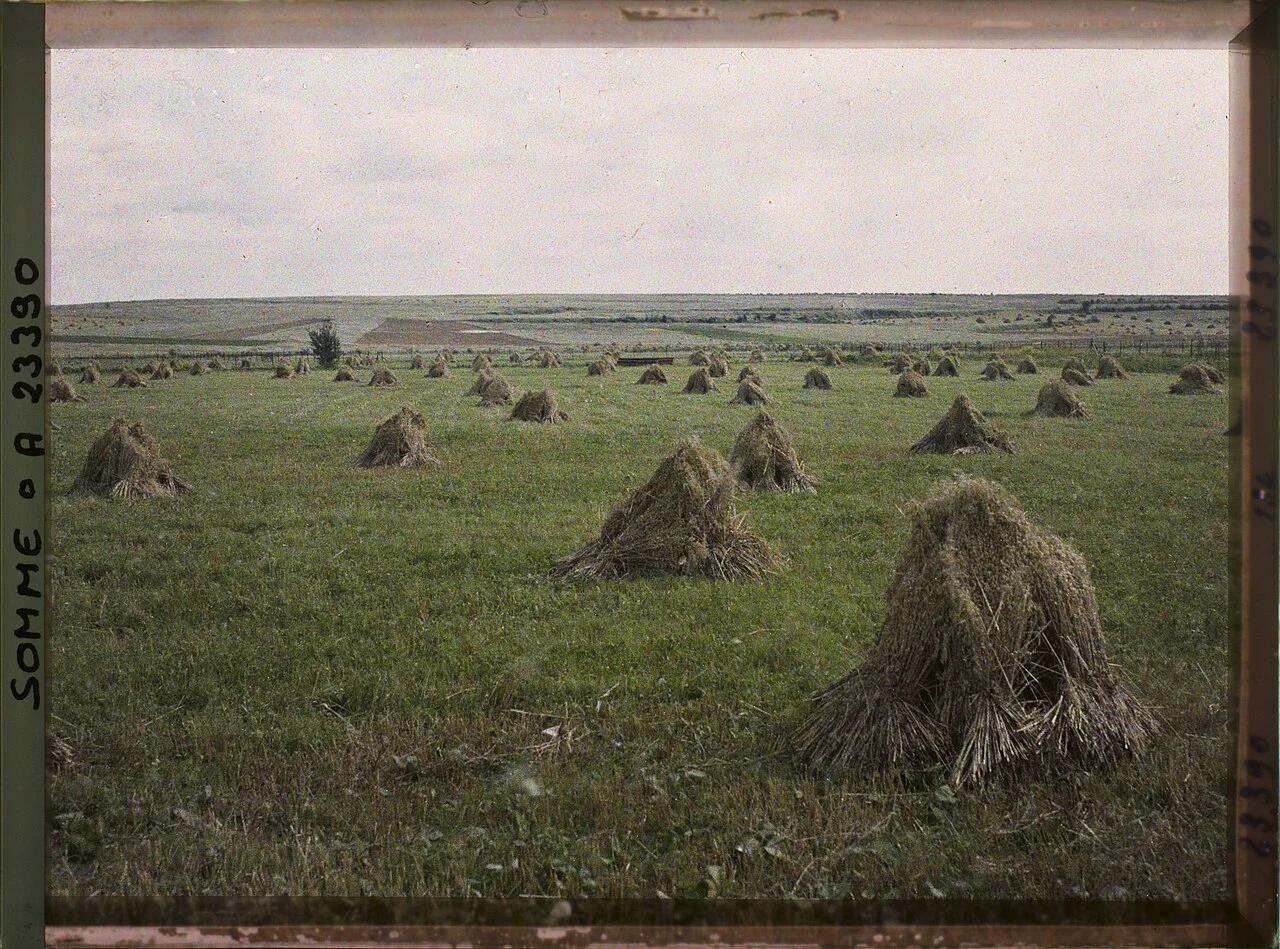
Picardy, centered around the Somme department in northern France, is a land of gently rolling farmland. Its traditional gâteau battu is a yeasted cake baked in a tall cylindrical mold.
Battu means beaten and is said to refer to the old method of tirelessly beating dough in a tub with a long wooden paddle to incorporate air and create lift. Recipes rich in egg yolks have been refined into the signature formulas of individual bakeries.
The Easter custom of godparents giving gâteau battu to their godchildren continues. Homes without the special tall mold sometimes use a kugelhopf tin, and the cake is sliced for Sunday breakfast or when entertaining visitors.

Bring the full course home next weekend.
Bring every dish to the table at its best.
Choose the dishes you want to cook, and Chef Authen handles the shopping list and the day-of schedule. The Tabelia app turns everything from starter to main into one coordinated course in your kitchen.
- One shopping listBuilt automatically from your menu and any substitutions, ready to check off.
- One timelineEvery dish’s waiting and cooking time combined into a single schedule.
- Answers beyond the recipeFrom judging the heat to adapting on the fly, Chef Authen answers with concrete criteria, not guesses.