 TABELIA
AUTHENTIC RECIPE
Fettuccine Alfredo
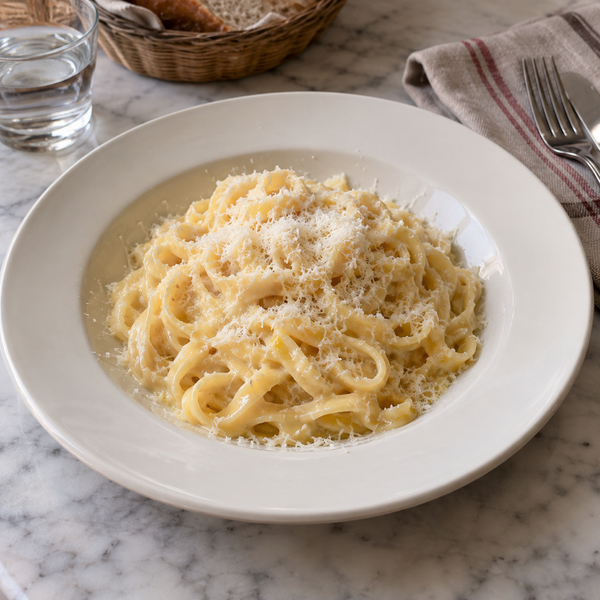
Invented in 1914 by Roman restaurateur Alfredo Di Lelio, this dish features a cream-like sauce made only from butter, Parmigiano and pasta water. It spread in an altered form in America as “cream-sauce pasta,” but the original contains no cream. Emulsifying the sauce around handmade fettuccine is the essential technique.
AUTHENTICITY SCORE
Authenticity Score
This is the standard recipe, exactly as it’s made where it comes from — the highest Authenticity Score possible. Substituting ingredients changes this score; the app shows exactly how, ingredient by ingredient.
Ingredients (2 servings)
- Fresh egg fettuccine200 g
- High-quality cultured butterSoften at room temperature100 g
- Parmigiano Reggiano aged at least 24 monthsFinely grate; coarse pieces will not melt80 g
Method
Grate the cheese and boil the water
- 1 MeanwhileStart bringing a large pot of water to the boil, with 10 g salt per 1 L water.
- 2 Finely grate 80 g Parmigiano.
Ready when
The Parmigiano should be grated to a fine powder.
Caution
Coarsely grated cheese melts poorly; always grate finely.
Boil the fettuccine
- 1 Boil 200 g fettuccine for 30 seconds less than the stated time.
- 2 Be sure to reserve 100 ml cooking water.
Ready when
The fettuccine should be slightly firm, just before al dente, and the cooking water reserved.
Caution
Always reserve cooking water; it is essential for emulsification.
Melt the butter
- 1 Put 100 g room-temperature butter in a large bowl.
- 2 Add 2 tbsp hot pasta water and stir as the butter melts.
Ready when
The butter should be melted into a smooth cream.
Caution
Use room-temperature butter: cold butter is harder to melt and emulsify.
Emulsify the sauce
- 1 Use tongs to transfer the cooked fettuccine to the bowl, with some cooking water.
- 2 Repeatedly lift and drop the pasta with the tongs while gradually adding grated Parmigiano to emulsify.
Ready when
The sauce should form a creamy emulsion coating all the pasta.
Caution
Do not apply heat: heat breaks the emulsion.
If it begins to dry, adjust with a little more pasta water.
Finish with grated Parmigiano
- 1 Arrange on plates.
- 2 Grate extra Parmigiano over and serve immediately.
Ready when
It is ready when the grated cheese melts in the residual heat and the sauce retains its sheen.
Caution
Serve promptly before the sauce sets.
About this dish
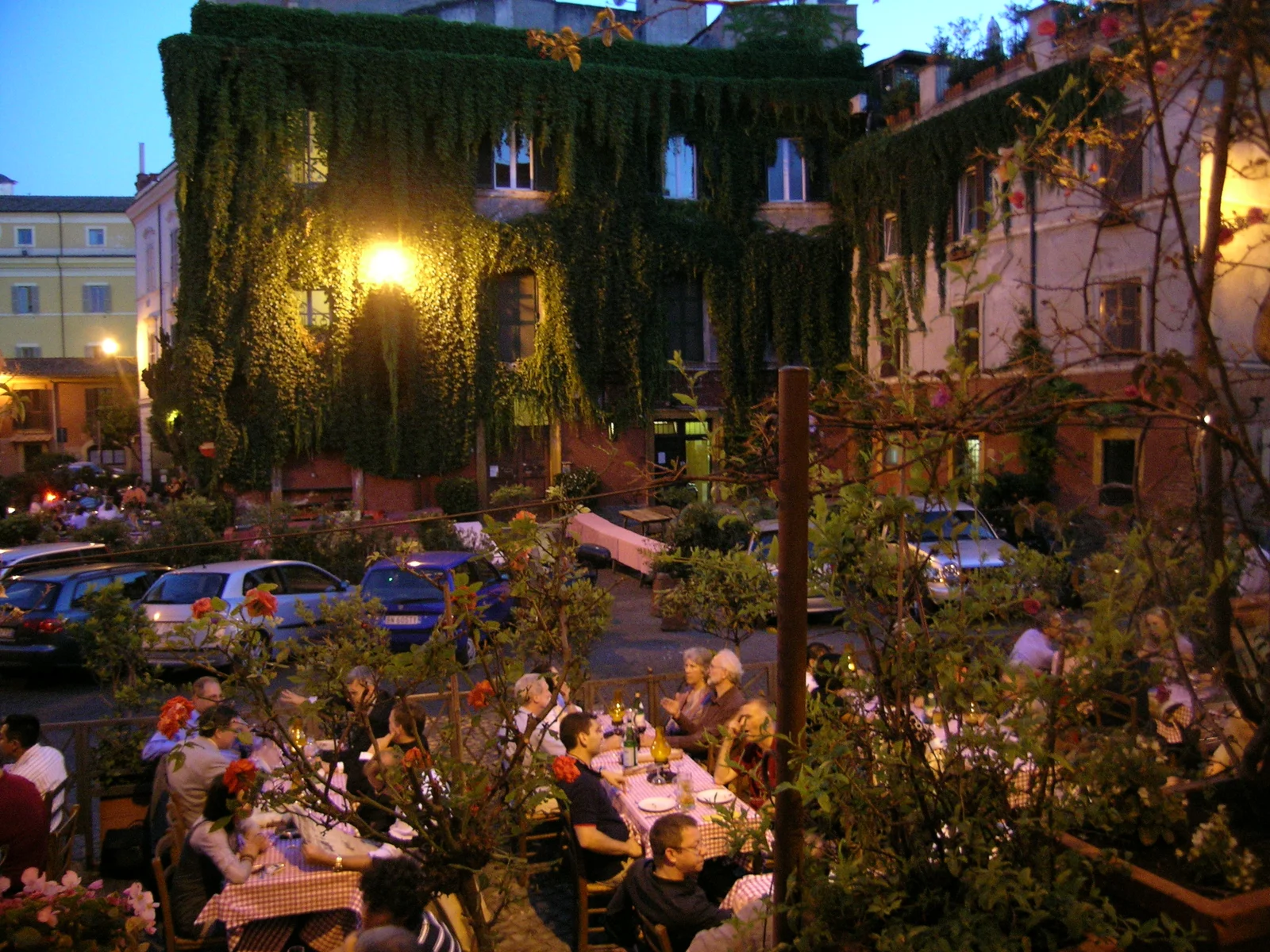
In 1908, Alfredo Di Lelio, who opened a small restaurant on Rome’s Via della Scrofa, made a special pasta for his wife, who had lost her appetite after giving birth. Egg fettuccine, the finest butter and Parmigiano Reggiano: the combination of these 3 elements restored her appetite and was added to the restaurant’s menu.
In the 1920s, a Hollywood star couple visited Rome and fell in love with the pasta. They brought the recipe home and spread it in America, making the name Alfredo famous worldwide. But cream was added in the American version, which gradually became something different from the original.
In Rome today, restaurants serving fettuccine Alfredo according to the original recipe are a minority. Versions with cream, meeting tourists’ expectations, predominate. The history of the dish illustrates the difficulty of preserving an original.

Bring the full course home next weekend.
Bring every dish to the table at its best.
Choose the dishes you want to cook, and Chef Authen handles the shopping list and the day-of schedule. The Tabelia app turns everything from starter to main into one coordinated course in your kitchen.
- One shopping listBuilt automatically from your menu and any substitutions, ready to check off.
- One timelineEvery dish’s waiting and cooking time combined into a single schedule.
- Answers beyond the recipeFrom judging the heat to adapting on the fly, Chef Authen answers with concrete criteria, not guesses.