 TABELIA
AUTHENTIC RECIPE
Cassata SicilianaSicilian Cassata
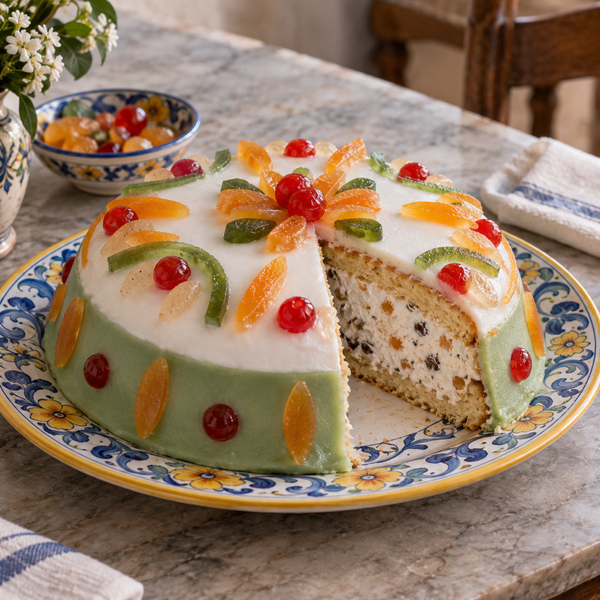


Sicily’s splendid layered cake of sponge, ricotta, marzipan, icing and candied fruit. A historic sweet bringing together Arab, Norman and Spanish food cultures. A beautiful finish is a mark of authenticity.
AUTHENTICITY SCORE
Authenticity Score
This is the standard recipe, exactly as it’s made where it comes from — the highest Authenticity Score possible. Substituting ingredients changes this score; the app shows exactly how, ingredient by ingredient.
Ingredients (10 servings)
- Sponge cake (pan di Spagna)Store-bought is acceptable. To make it yourself: 5 eggs, 150 g sugar, 150 g cake flour and 30 g potato starch.500 g
- Sheep’s-milk ricotta, drainedMust be drained overnight.600 g
- Powdered sugar for the filling200 g
- Dark chocolate, chopped100 g
- Mixed candied citron, orange and squash150 g
- Pasta reale (green marzipan)Color green with pistachio paste; store-bought white marzipan with green food coloring is also acceptable.400 g
- White icingUse store-bought rolled fondant, or make with 300 g powdered sugar and 30–40 ml water.300 g
- Assorted candied fruit for decorationUse colorful cherries, oranges, pistachios and similar decorations.150 g
- Orange liqueur or rumFor soaking the sponge.50 ml
Method
Drain the ricotta
- 1 Place 600 g sheep’s-milk ricotta in a sieve and drain overnight in the refrigerator.
Ready when
Allow at least 8 hours; continue when thoroughly drained.
Caution
Insufficient draining makes the filling watery.
Make the ricotta filling
- 1 Mix 600 g drained ricotta smoothly with 200 g powdered sugar.
- 2 Mix in 100 g chopped dark chocolate and 150 g candied citrus.
- 3 Chill in the refrigerator for 1 hour.
Ready when
Continue once the filling is evenly mixed and has chilled for 1 hour.
Slice the sponge
- 1 Cut the sponge horizontally into 3–4 layers.
- 2 Trim the thinnest slice into a circle for the base.
Ready when
Continue once the slices are even.
Line with marzipan and sponge
- 1 Line a 24–26 cm mold thoroughly with plastic wrap.
- 2 Roll the marzipan 3–4 mm thick and press it against the inner sides.
- 3 Place sponge on the bottom and brush with liqueur to soak it.
Ready when
Continue once the sides are fully lined with marzipan and the bottom with sponge.
Caution
Do not leave gaps in the marzipan.
Fill and chill
- 1 Add all the ricotta filling.
- 2 Cover with sponge.
- 3 Cover with plastic wrap and refrigerate for at least 3–4 hours.
Ready when
After at least 3–4 hours, continue once the filling has set.
Unmold and ice
- 1 Invert to remove from the mold and peel off the plastic wrap.
- 2 Pour icing over the surface and smooth with a palette knife.
Ready when
Continue when the icing is evenly spread.
Decorate with candied fruit
- 1 Before the icing sets, arrange candied fruit in lattice or floral patterns.
Ready when
Continue when decorated in a traditional pattern.
Caution
Work quickly before the icing sets.
Let settle overnight
- 1 Let settle overnight in the refrigerator.
Ready when
After a night, about 8 hours, it is ready when the icing is fully set and the flavors of the layers have melded.
About this dish
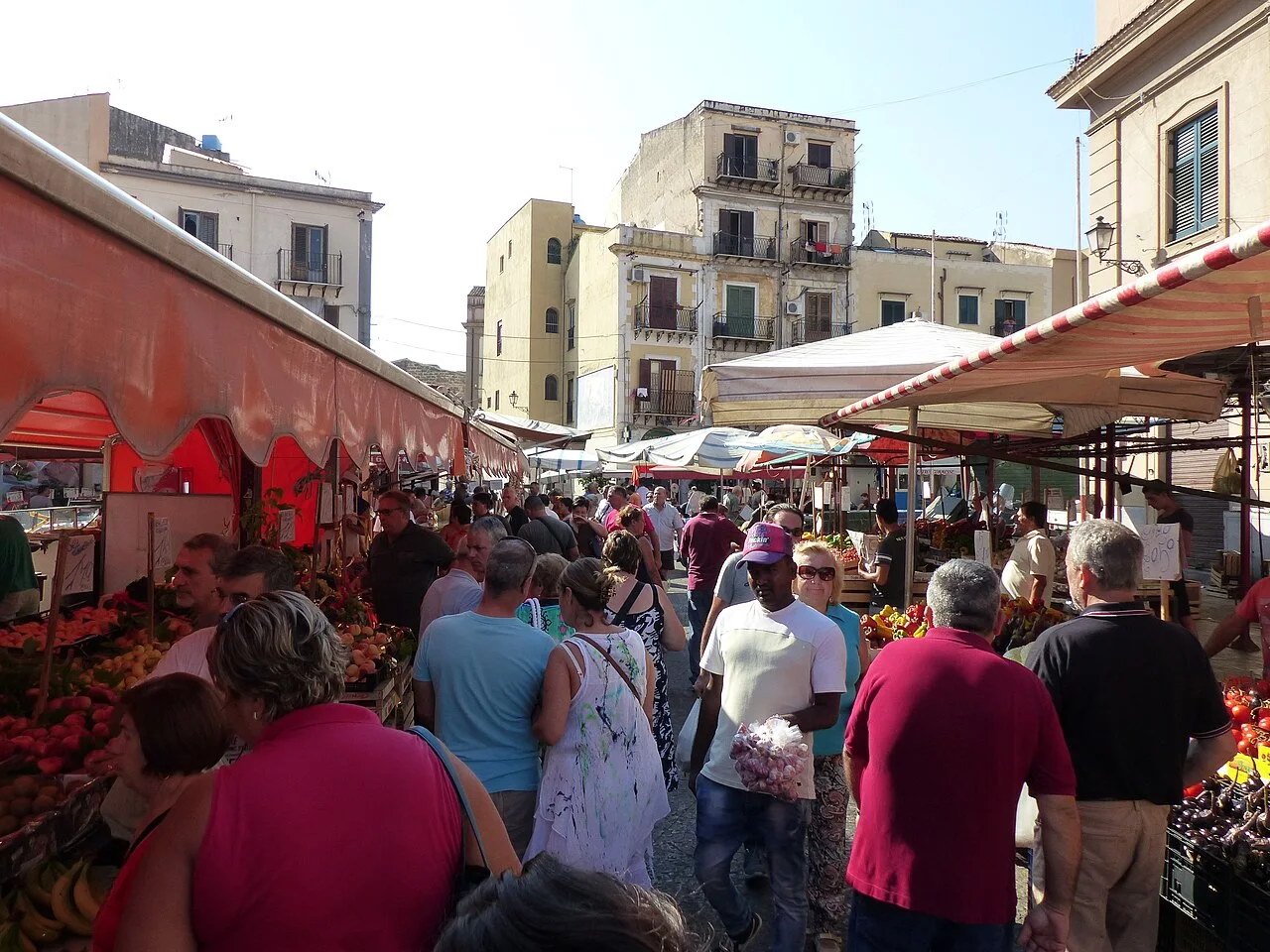
Cassata arose at a crossroads of civilizations. Sugar and almonds reached Sicily under Arab rule, from 827–1072; ricotta was brought by the Normans, and sponge-cake techniques were added during Spanish rule. This cake is the result of those elements coming together over centuries.
Green marzipan, or pasta reale, is colored with pistachio or made by adding food coloring to almond paste. This green gives cassata its most distinctive appearance, while geometric candied-fruit decorations vary by region and pastry chef.
Making cassata from scratch takes at least 2 days. It is a dish for special occasions such as Easter or weddings, and taking time is part of the premise. Its name is variously traced to the Arabic qas’ah, a round vessel, or the Latin caseus, cheese; both suggest something of the cake’s origins.

Bring the full course home next weekend.
Bring every dish to the table at its best.
Choose the dishes you want to cook, and Chef Authen handles the shopping list and the day-of schedule. The Tabelia app turns everything from starter to main into one coordinated course in your kitchen.
- One shopping listBuilt automatically from your menu and any substitutions, ready to check off.
- One timelineEvery dish’s waiting and cooking time combined into a single schedule.
- Answers beyond the recipeFrom judging the heat to adapting on the fly, Chef Authen answers with concrete criteria, not guesses.