 TABELIA
Food Culture
What Makes Food Taste Good?
From the chicken noodle soup you grew up on to ratatouille from Nice and the smoke of an Italian village festival: on how food and memory are bound together, and the pleasure of cooking a dish with its home culture in mind.
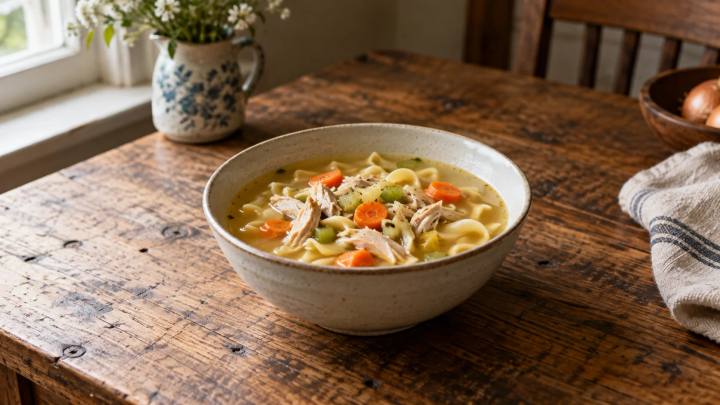
Sometimes the chicken noodle soup you grew up on is what you miss most, more than any meal at a celebrated restaurant.
There is nothing special in it, and nothing refined about the way it is made. Yet when you have it again after a long time away, there is something comforting about how good it tastes. Ask yourself why, and you begin to see that what makes food taste good isn’t flavor alone.
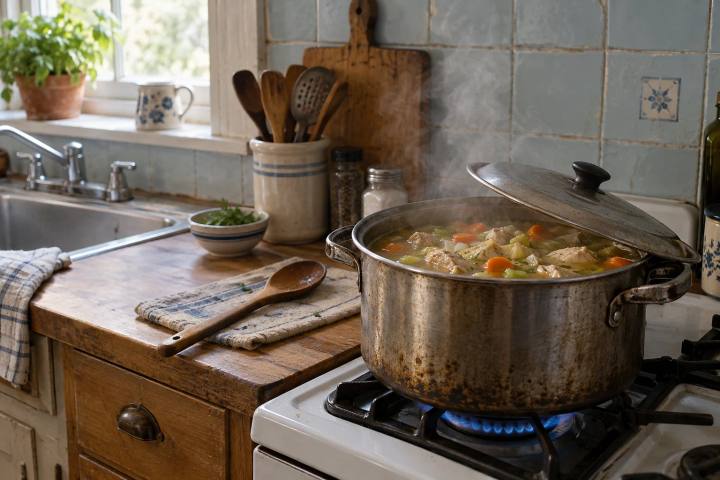
We never eat flavor alone
There’s an unforgettable scene in Pixar’s Ratatouille. Anton Ego, a food critic known for his savage reviews, takes a single bite of ratatouille and is carried straight back to his childhood, to a dish his mother made for him and the warmth of his childhood home. What stops him cold, it seems, is that the taste brings back feelings he had long since forgotten.
That rush of memory, set off by a smell or a taste, is often called the Proust effect, and most of us have felt something like it. The spices in a cup of mulled wine can bring back the lights of a Christmas market and the warm mug in your hands on a cold night. The sweet, unmistakable scent of star anise can call up the bustle of street markets and food stalls in Asia. A smell can even summon places we have never been, scenes we know only from movies, from books, or from a trip somewhere else.
Where we first smelled a dish, who we shared it with, how we spent that time: over the years these memories add up, and they shape what tastes good to us.
Every dish holds the memory of a place
So what about food from a faraway country, a dish you have no history with?
The first time you try it, there may be smells you don’t recognize and flavors you aren’t used to. But for the people who live there, it may be something that has come to the table again and again since childhood, tied to memories of family and of the seasons.
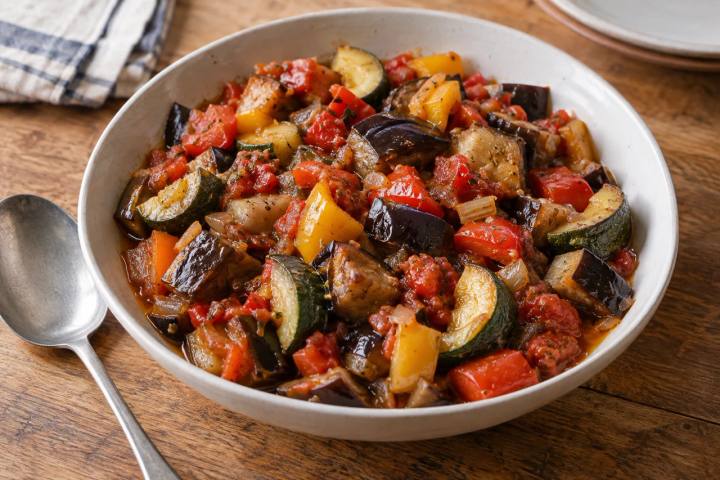
Ratatouille from Nice, in the south of France, is one of those dishes. Eggplant, zucchini, and bell peppers are each sautéed on their own, then simmered together with tomatoes. It is made in big batches in summer and reheated the next day. The dish grew out of everyday home cooking, with people using what grew nearby to feed their families day after day.
Mauro Uliassi, a chef in Senigallia on Italy’s Adriatic coast, once created a smoky take on spaghetti with clams. That smokiness, he said, recalls “to the palate and to memory” the open-air grilling at village festivals. The smoke adds complexity, but it also carries a sense of the place and of the moments its people have shared.
Even a dish we eat without a second thought may be hiding a story like that.

Meeting flavors you don’t know yet
The world is full of flavors and aromas, and a dish loved in one place won’t necessarily taste good right away to someone who grew up somewhere else. A pungent fermented smell, a sharp sourness, a spice you can’t place: the first bite can leave you a little unsure.
In that moment, it’s easy to reach for what you know (a little more garlic, a splash of cream, a shake of hot sauce) until the dish tastes the way you like it. That is one way to enjoy cooking, too.
But before you do, take a moment to wonder why the dish tastes the way it does.
Why this spice?
Why do people there ferment this ingredient?
Why has this method been handed down for generations?
The answers may lie in the climate and the land, in how food had to be preserved, in religion and festivals, or in the daily life of families. Once you know the background, an aroma that first seemed strange begins to tell you something about the place it came from.
Knowing where flavors come from won’t make you love all of them, of course. Still, rather than judging by your own taste alone, try the dish first the way people there love it. It’s a way of meeting another culture through food.
Beyond the flavors we already love, many more are waiting.
Why Tabelia sticks with authentic recipes
At Tabelia, we care about authentic cooking, but not because we think the hometown version tastes best to everyone. We want you to taste, along with the dish, the history, the culture, and the daily life that went into it.
A dish is more than a list of ingredients and a set of steps. With the very same ingredients, a different cut, a different way of applying heat, or a different hand with the spices changes how the place comes through on the plate. Techniques handed down over generations preserve the flavors the people there have cherished. That’s why we want to respect the local way of cooking as much as we can, and to pass on the history and culture behind each dish along with the recipe.
Of course, cooking at home means some ingredients are out of reach, and your kitchen isn’t the one the dish was born in. You don’t have to reproduce everything exactly.
The point isn’t to make a dish look authentic or to insist on one “right” flavor. It’s to think about why the dish was born where it was and how people there have loved it, and to enjoy something different from what you usually eat. To us, that is the joy of cooking authentic food.
From your own table to places you’ve never been
You don’t always need a plane ticket to taste the food of a faraway country.
On the day you make ratatouille from Nice, picture a summer table in the south of France. On the day you take on a regional Italian dish, learn a little about the town it came from and the people who live there. Once you know a dish’s story, a bite of it may taste a little different from one taken knowing nothing at all.
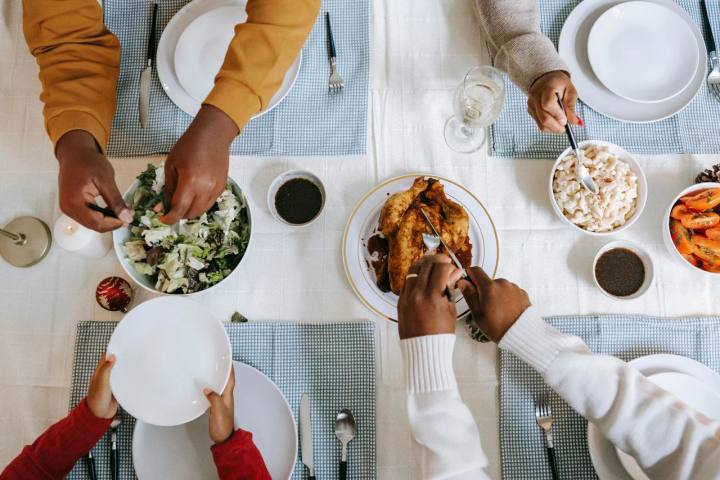
And even if a new flavor doesn’t win you over, you can still find the culture behind it fascinating. In time you may grow fond of that aroma, or someday, traveling there, feel a small thrill at spotting a dish you know on a menu.
A single plate can give us a feel for life in a place we have never been, and think about the memories and culture of the people who have lived there. Discoveries like these, we believe, make our idea of what tastes good a little richer over time.
Next weekend, why not cook something from a country or region whose food you’ve never tried, and pull up a chair at a distant table without leaving your kitchen?
Images marked as illustrations were generated with AI.
Sources
- Ratatouille (2007), directed by Brad Bird
- Anton Ego Tastes Ratatouille — Script to Screen by Disney•Pixar
- A naturalistic study of autobiographical memories evoked by olfactory and visual cues: testing the Proustian hypothesis
- What Heals The World? Soup, Made By Moms
- Make a Ratatouille Version from Nice – La Ratatouia Nissarda (an English translation, with permission from the Nice Côte d’Azur Metropolitan Tourist Office, of the recipe in Carnets de cuisine du Comté de Nice)
- Pasta Day all’Open Colonna. Le tre ricette della serata raccontate dal tridente Uliassi, Sultano e Colonna (in Italian)
- The canal harbor of Senigallia (photographed 2006, CC BY 2.0, resized and reformatted)
- Food on a table (Pexels License)
- CC BY 2.0 — photo license
- Pexels License — photo license
Related recipes


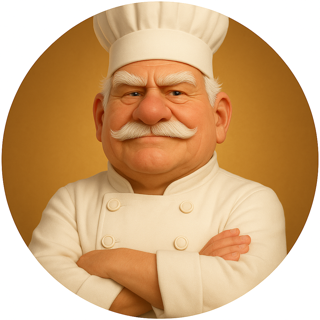
Bring the full course home next weekend.
Bring every dish to the table at its best.
Choose the dishes you want to cook, and Chef Authen handles the shopping list and the day-of schedule. The Tabelia app turns everything from starter to main into one coordinated course in your kitchen.
- One shopping listBuilt automatically from your menu and any substitutions, ready to check off.
- One timelineEvery dish’s waiting and cooking time combined into a single schedule.
- Answers beyond the recipeFrom judging the heat to adapting on the fly, Chef Authen answers with concrete criteria, not guesses.